How Equine & Surf Therapy Transform PTSD Recovery for Veterans, First Responders, and Law Enforcement
Post-traumatic stress is not just a memory—it’s an imprint on the nervous system, a constant hum of vigilance, and a body that never fully returns to rest. For veterans, first responders, and law enforcement professionals, trauma is often accumulated over time. It shows up in hypervigilance, emotional numbing, irritability, guilt, sleep disturbances, and a sense of disconnection from themselves and others.
Traditional talk therapy is powerful and necessary—but healing trauma also requires experiences that help the body relearn safety, connection, and regulation. This is where equine therapy and surf therapy rise as groundbreaking, evidence-supported modalities that speak directly to the nervous system.
These therapies invite clients into the kind of healing that cannot always be accessed through words alone.
⸻
Why Alternative Trauma Therapies Matter for High-Stress Professions
Veterans, first responders, and law enforcement personnel are trained to override their nervous systems. They run toward danger, compartmentalize emotions, and stay alert long after the threat is gone. While these skills save lives, they slowly wear on the mind and body.
Many struggle with:
• Chronic hyperarousal
• Anxiety and depression
• Emotional shutdown
• Difficulty trusting others
• Guilt and moral injury
• Feeling “stuck” even when they want to move forward
Equine and surf therapy meet trauma where it lives: in the body and the nervous system, without forcing vulnerability before safety has been established.
⸻
Equine Therapy: Healing Through Connection and Co-Regulation
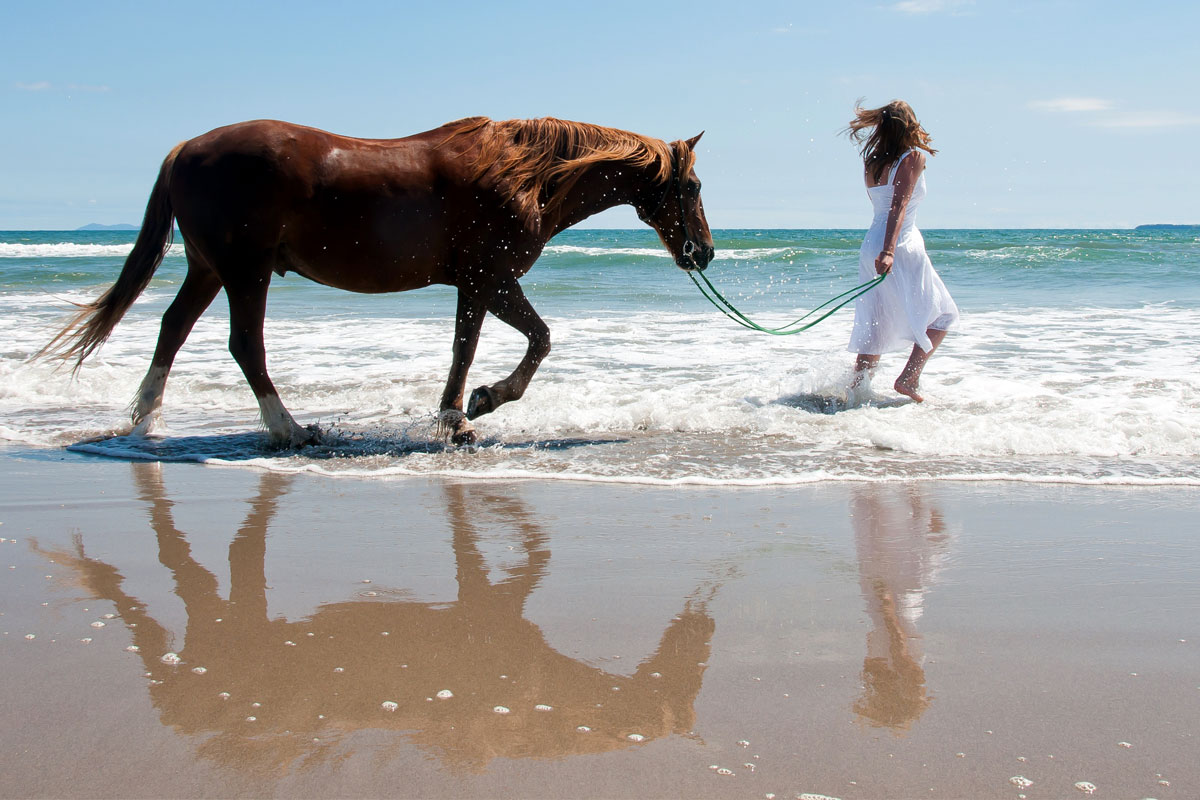
For centuries, horses have been mirrors for human emotion—sensitive, intuitive, and fully present. In equine-assisted therapy, the relationship between human and horse becomes a therapeutic tool. The goal is not riding; it is connection.
Why Horses Are Powerful Partners in Trauma Recovery
Horses naturally respond to:
• emotional energy,
• breathing patterns,
• body language, and
• dysregulation in the nervous system.
This makes them ideal co-regulators for individuals who struggle to feel safe, grounded, or emotionally aware.
Key Benefits for Veterans and First Responders
1. Regulating the Nervous System
Horses provide immediate feedback. When a client slows their breathing, softens their body, or becomes more present, the horse mirrors that calm. This teaches the nervous system—through experience—how safety feels.
2. Rebuilding Trust and Connection
Trauma often damages a person’s ability to trust others. Horses do not judge, question, or demand words. They respond to authenticity, offering a unique pathway to rebuild relational confidence.
3. Reducing Hypervigilance
Working with a thousand-pound animal requires grounding, attention, and relational attunement. Over time, this helps soothe hyperarousal and strengthen emotional regulation.
4. Processing Moral Injury and Grief
Horses create an emotionally safe space where clients can release what has been held for years—loss, guilt, anger, grief—without needing to verbalize it before they’re ready.
5. Restoring Purpose and Identity
Many veterans and first responders struggle with life transitions. Horses help them reconnect with patience, strength, leadership, and a sense of inner steadiness.
⸻
Surf Therapy: The Ocean as a Regulator, Teacher, and Healer
Surf therapy blends mindfulness, physical activity, breathwork, and the therapeutic power of nature. For those who have lived in high-stress roles, water becomes a place where the nervous system softens, the mind resets, and the body relearns presence.
Why the Ocean Is a Natural Therapist
Ocean waves move rhythmically—much like the breath—and research shows that water supports:
• decreased cortisol levels,
• improved mood,
• reduced symptoms of depression and PTSD,
• increased mindfulness and emotional balance.
The sensory elements of surf therapy—saltwater, movement, sunlight, sound—stimulate neuroplasticity and calm the limbic system.
Key Benefits for PTSD, Anxiety, and Burnout
1. Relearning Safety Through the Body
Trauma often traps people in fight-or-flight. Surfing requires moment-to-moment awareness, helping the brain shift out of threat mode and into flow.
2. Mindfulness in Motion
The ocean demands presence. Between waves, breathing becomes slower, the mind quiets, and grounding naturally occurs.
3. Building Confidence and Resilience
Mastering waves—even small ones—reconnects individuals with strength, capability, and accomplishment.
4. Emotional Release Through Movement
Water is symbolic, cleansing, and rhythmic. Many clients describe a sense of emotional “unloading” as they float, paddle, or simply sit in the water.
5. Community and Connection
Surf therapy groups break isolation by offering camaraderie—something many veterans and first responders deeply miss.
⸻
Why These Modalities Work for Trauma
Equine and surf therapy support evidence-based trauma treatment by:
• integrating somatic regulation,
• enhancing neuroplasticity,
• improving emotional awareness,
• strengthening relational capacity,
• reducing avoidance,
• and restoring a sense of agency.
They are not replacements for therapy—they amplify it, deepen it, and reach parts of trauma that talk therapy cannot always touch.
Both modalities help the brain move from survival to connection, from numbness to presence, and from isolation to belonging.
⸻
For Those Who Serve, Healing Must Honor the Weight They Carry
Veterans, first responders, and law enforcement personnel carry stories, images, and experiences the world rarely sees. They deserve therapeutic pathways that meet their courage with compassion and their trauma with innovative care.
Equine therapy and surf therapy offer exactly that:
healing that is immersive, embodied, dignified, and deeply restorative.
At Bold Within, we believe healing should rise beyond the chair.
It should move, breathe, and transform.
And for those who have given so much—
these therapies offer a way back home to themselves.