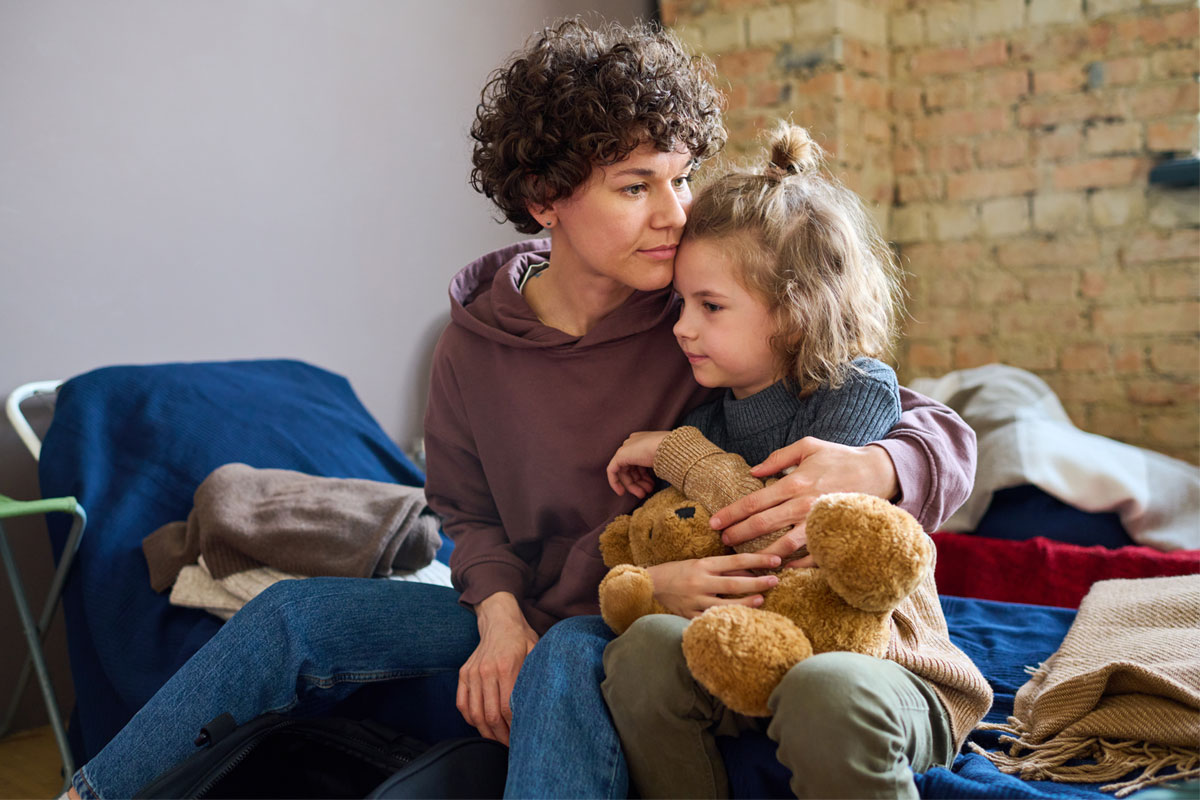

Parenting with Confidence, Connection, and Compassion
Program Overview: Here is a structured trauma-informed parenting lesson plan series for BoldWithin, designed for group or individual parent sessions. It integrates attachment theory, trauma-informed care principles, and experiential learning found in proven curricula such as the Resource Parent Curriculum (RPC) and Connect: An Attachment-Based Program for Parents and Caregivers.
Length: 6 sessions (60–75 minutes each)
Approach: Trauma-Informed, Attachment-Based, Strengths-Focused
Target Audience: Parents, foster/adoptive caregivers, and co-parents seeking to enhance understanding of their child’s behaviors, strengthen attachment, and create a regulated home environment.
Methodology: Reflection, role-play, psychoeducation, mindfulness, and guided dialogue.
Program Purpose: To empower parents to understand family dynamics through the lens of trauma and attachment, develop emotional regulation and communication skills, heal generational wounds, and model healthy relational behaviors that build resilience in children.
Session 1: Building Safety and Trust
Focus: Understanding trauma, regulation, and safety in parent-child relationships.
Goals:
- Define trauma and attachment in accessible terms
- Recognize the child’s behavior as communication
- Build emotional safety and co-regulation skills
Activities:
- Icebreaker: “Describe one moment you felt safe as a child”
- Psychoeducation: How trauma affects the developing brain and attachment
- Exercise: Co-regulation role-play (model calm tone, eye contact, deep breathing)
- Reflection: “What helps you stay calm when your child is not?”
Homework: Identify one co-regulation strategy to practice daily.
Session 2: Understanding Emotional Triggers
Focus: Exploring parent stress responses and childhood origins of parenting patterns.
Goals:
- Identify fight/flight/freeze reactions in parenting
- Recognize emotional triggers rooted in past experiences
- Develop emotional awareness using mindfulness
Activities:
- Guided exercise: “Parent Trigger Mapping” (identify personal triggers)
- Discussion: How the parent’s history intersects with the child’s emotions
- Skill: 5-4-3-2-1 grounding and STOP technique (Stop, Take a breath, Observe, Proceed)
Homework: Journal 1–2 triggers and practice self-regulation technique.
Session 3: The Power of Connection: Attachment Repair
Focus: Strengthening emotional bonds and repairing disconnection after conflict.
Goals:
- Introduce “rupture and repair” model in attachments
- Practice empathy and reflective listening with children
- Differentiate discipline from punishment
Activities:
- Icebreaker: “One time I felt understood by someone”
- Role-play: Reflective listening (“I see you’re frustrated because…”)
- Skill practice: Connection before correction—using validation language
- Discussion: Common barriers to staying connected under stress
Homework: Write one “repair” message to a child after conflict.
Session 4: Parenting Patterns and Self-Compassion
Focus: Healing generational wounds and replacing guilt with compassion.
Goals:
- Identify learned parenting patterns
- Practice compassionate self-talk and boundary setting
- Reframe guilt and shame as growth opportunities
Activities:
- Exercise: “Family Map”—name early messages about love, emotion, and safety
- Guided visualization: “Dialoguing with the Child Within” (empty chair technique)
- Discussion: What kind of parent do you want to become?
Homework: Write an unsent letter of forgiveness (to parent or self).
Session 5: Healthy Discipline and Emotional Regulation
Focus: Collaborative problem-solving and emotional modeling.
Goals:
- Learn evidence-based discipline strategies (vs. reactive punishment)
- Teach emotional labeling and regulation to children
- Reinforce predictable structure and behavioral support
Activities:
- Teaching: “Name it to tame it” (labeling emotions reduces distress)
- Skill: Problem-solving steps—Pause, Validate, Collaborate, Reflect
- Group discussion: Common behavioral triggers at home
Homework: Practice one “collaborative repair” with your child during the week.
Session 6: Growth, Stability, and Family Vision
Focus: Creating sustainable practices and long-term growth goals.
Goals:
- Build a five-year family vision emphasizing emotional and relational health
- Strengthen resilience through gratitude and mindfulness
- Celebrate progress, set maintenance plans
Activities:
- Icebreaker: “What kind of family do you want five years from now?”
- Guided visualization: “Your child’s future letter”
- Reflection: Create a “Family Stability Plan” of 3 commitments
- Closing affirmation circle
Homework (final): Write a letter to self and family envisioning continued growth.
Program Learning Objectives
- Increase parent understanding of trauma’s effect on behavior and attachment
- Improve regulation and communication between parent and child
- Build parental self-efficacy, emotional literacy, and boundary-setting
- Foster resilience through empathy, reflection, and long-term planning
Measures of Progress
- Parent self-reflection journal reviews (per session)
- Emotion Regulation Scale (pre/post measurement
- Parent Efficacy and Attachment Confidence Survey (similar to RPC outcomes)
- Session 6 Family Vision submission as qualitative progress measure
Facilitator Notes
Each session blends psychoeducation with lived experience—mirroring BoldWithin’s relational and compassionate brand. Group environments encourage shared learning and mutual understanding while maintaining a trauma-informed focus: safety, trust, empowerment, and cultural sensitivity.
This curriculum ensures parents leave with practical tools and an integrated understanding of themselves and their children, aligned with BoldWithin’s mission: “Empowered parents raise empowered children.”